
Predator Management 101: Why It Matters for Deer & Turkey
Feb 10th 2026
Healthy deer and turkey populations don’t happen by accident. They’re the result of balanced habitats, responsible harvest, and effective predator management. While habitat improvements and regulated hunting get a lot of attention, predator management is often the missing piece of the puzzle.
Understanding why predator management matters and how it impacts deer and turkey populations helps hunters, landowners, and wildlife enthusiasts make informed decisions that support long‑term conservation.
What Is Predator Management?
Predator management is the ethical, legal control of predator populations to maintain balance within an ecosystem. In the Southeast and much of the country, common predators affecting deer and turkey populations include:
- Coyotes
- Bobcats
- Foxes
- Raccoons
- Opossums
- Feral hogs
The goal is not eradication. Predator management focuses on reducing excessive predation pressure, especially during vulnerable periods like fawning and nesting seasons.
How Predators Impact Deer Populations
Fawn Survival Rates
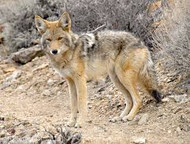
Coyotes are one of the leading predators of whitetail fawns. During late spring and early summer, fawns rely on hiding rather than fleeing, making them especially vulnerable. In areas with high predator density, fawn recruitment can drop significantly.
Lower fawn survival means:
- Fewer deer reaching adulthood
- Reduced herd growth
- Skewed age structures over time
Long‑Term Herd Health
When predation pressure stays high year after year, deer populations struggle to rebound, even in areas with good habitat and conservative harvest strategies. Predator management helps stabilize herd numbers so habitat improvements and harvest regulations can actually do their job.
How Predators Impact Turkey Populations
Turkeys face intense predation pressure at multiple stages of their life cycle.
Nest Predation
Raccoons, opossums, skunks, and foxes are highly effective nest predators. High nest failure rates directly reduce poult production, which limits population growth.
Poult & Adult Losses
Poults are extremely vulnerable to a wide range of predators, and bobcats and coyotes can also impact adult birds during nesting and brood-rearing seasons.
Persistent nest and poult predation is a major factor limiting turkey population recovery in many areas.
Predator Management Isn’t About “Killing Everything”
One of the biggest misconceptions about predator management is that it’s about eliminating predators. In reality, it’s about balance.
Predators play an important role in ecosystems. However, modern landscapes, fragmented habitat, agriculture, suburban development, and limited trapping pressure often allow predator populations to grow beyond what the habitat can naturally support.
Responsible predator management helps restore equilibrium.
When Predator Management Matters Most
Timing is critical for effective predator control.
- Late Winter / Early Spring: Reduces predator numbers before fawning and nesting seasons
- Pre‑Turkey Season: Helps improve nest success and poult survival
- Year‑Round Monitoring: Tracks predator activity and population trends
Targeted efforts during these periods can make a measurable difference.
Tools & Methods Used in Predator Management
Ethical predator management uses legal, regulated methods such as:
- Predator hunting
- Calling and spot‑and‑stalk techniques
- Night hunting where legal
- Trapping (where permitted)
Each state has specific regulations, seasons, and methods that always follow local laws and best practices.
Predator Management & Conservation Go Hand in Hand
Predator management supports:
- Higher fawn recruitment
- Improved turkey nest success
- More balanced age structures
- Healthier, more sustainable wildlife populations
When combined with habitat management and responsible harvest, predator control becomes a powerful conservation tool, not a controversial one.
Gear That Supports Responsible Predator Management
Effective predator management starts with the right tools. At Springhill Outfitters, we carry trusted gear that helps hunters manage predators ethically, safely, and within the law.
Predator Calls
Electronic and mouth calls designed to bring predators into range during day or night hunts where legal.
Predator Decoys
Visual decoys designed to trigger a predator’s curiosity and commitment, helping pull animals into range when paired with calling setups.
Thermal & Night Hunting Optics
Thermal scopes, night vision, and optics accessories that improve target identification and ethical shot placement.
Rifles & Shotguns
Accurate, dependable firearms suited for predator hunting setups—from lightweight rifles to versatile shotguns.
Ammunition & Accessories
Quality ammo, shooting sticks, bipods, and other accessories that support precision and consistency in the field.
Lights & Hunting Accessories
Predator lights, mounts, and gear designed for night hunting and low-light conditions.
When used responsibly, the right equipment helps hunters play a meaningful role in conservation while maintaining safety and ethics.
Final Thoughts
Predator management isn’t about shortcuts or extremes, it’s about stewardship. By understanding predator impacts and managing them responsibly, hunters and landowners play a direct role in protecting the future of deer and turkey populations.
Healthy habitats, ethical hunting, and smart predator management ensure the outdoors we love today will still be thriving for the next generation.
Stay informed. Hunt responsibly. Manage with purpose.